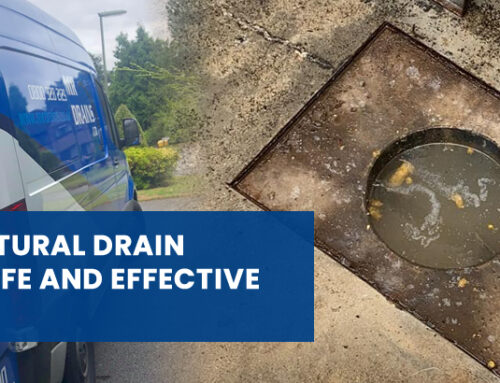

A blocked drain can quickly turn an ordinary household problem into an unpleasant and disruptive situation. Slow sinks, standing water, unpleasant smells and overflowing external drains are all signs that something may be restricting the flow. When dealing with blocked drains in Sussex, understanding the cause before attempting to clear the problem can help prevent unnecessary mess and avoid making the blockage worse.
While minor blockages can sometimes be dealt with using simple household measures, recurring or severe problems often require professional assessment. The key is to identify whether the obstruction is local to one fixture or whether it is affecting the wider drainage system.
What Causes Household Drain Blockages?
Drain blockages can develop for many different reasons. Inside the home, common causes include:
- Hair and soap residue
- Food waste
- Cooking fats and oils
- Grease deposits
- Excessive toilet paper
- Wet wipes and unsuitable items
Outside the property, leaves, mud, soil and garden debris can enter gullies and drainage channels. Underground pipes can also develop structural problems. Cracked pipes, displaced joints and tree root intrusion can all restrict wastewater flow. Knowing what has caused the blockage is important because simply removing the visible obstruction may not solve the underlying problem.
Start by Identifying the Affected Drain
Before attempting to clear a blockage, establish how widespread the problem is. If only the kitchen sink is draining slowly, the obstruction may be relatively close to that fixture. If several sinks, toilets and showers are affected at the same time, the problem could be further along the property’s drainage network.
External symptoms can provide additional clues. For example, an overflowing inspection chamber may indicate that wastewater is unable to travel beyond a particular section of underground pipe. This distinction is important because treating a local fixture when the actual problem is further downstream may not provide a lasting solution.
Try Simple Measures for Minor Blockages
For a minor, localised blockage, homeowners may sometimes be able to restore flow using basic methods. Removing visible debris from a plughole can help prevent further accumulation.
A suitable plunger can also create pressure that may dislodge a small obstruction. However, force should be used carefully. If the blockage does not clear relatively quickly, repeatedly forcing water or using unsuitable chemicals may make the situation worse. It is particularly important to avoid mixing different chemical drain cleaners.
Why Chemical Drain Cleaners Are Not Always the Answer
Chemical products are widely available, but they do not address every type of blockage. A chemical cleaner may have limited effect against tree roots, collapsed pipes, heavy sediment or structural defects.
Repeated use can also introduce aggressive chemicals into the drainage system without resolving the underlying problem. If a blockage keeps returning, the most useful approach is usually to establish why it is happening rather than repeatedly treating the symptoms.
Keep External Drains Clear
External gullies can collect leaves, mud and other debris throughout the year. During autumn, falling leaves can become particularly problematic. Regularly removing visible debris from drain covers and gullies can help reduce the amount of material entering the underground pipework.
However, never remove or interfere with drainage components that are unsafe or difficult to access. If an external drain is already overflowing, professional assistance may be required.
When Professional Drain Cleaning Is Needed
Some blockages are too deep or stubborn for basic household methods. Professional drain cleaning in Sussex can involve specialist equipment designed to clear obstructions and clean the internal surfaces of suitable drainage pipes.
Depending on the problem, this may include mechanical equipment or high-pressure water jetting. The appropriate method depends on the pipe material, condition and type of obstruction. A professional assessment can help determine the safest and most effective approach.
Recurring Drain Blockages May Indicate a Bigger Problem

If the same drain becomes blocked repeatedly, clearing it each time may only provide temporary relief. There could be an underlying structural issue such as:
- Tree root intrusion
- Cracked pipework
- Displaced joints
- Collapsed sections
- Heavy scale
- Grease build-up
- Poor drainage gradients
In these situations, a CCTV drain inspection may be recommended. A camera can provide a view inside the underground pipe and help identify the cause of repeated problems.
How to Deal With a Blocked External Drain
If an outside drain is overflowing, avoid coming into direct contact with the wastewater. Keep children and pets away from the affected area. Do not continue using large amounts of water inside the property if wastewater is already backing up.
If the blockage appears to be within the property’s drainage system, professional clearance can help restore normal flow. Where wastewater may contain contaminants, appropriate protective equipment and hygiene procedures are particularly important.
Preventing Future Drain Blockages
Once a blockage has been cleared, prevention is the next priority. Homeowners can reduce the risk of future problems by:
- Never pouring cooking oil or grease down sinks
- Using suitable sink strainers
- Removing hair from shower drains
- Flushing only appropriate toilet paper
- Keeping wipes and sanitary products out of toilets
- Clearing leaves from external gullies
- Monitoring slow drainage
- Investigating recurring blockages
These simple habits can reduce the amount of material entering the drainage system.
When Should You Call a Professional?
Professional assistance is recommended when:
- Several drains are affected
- Wastewater is backing up
- An external drain is overflowing
- The blockage keeps returning
- There is a strong sewage smell
- You suspect tree roots
- You suspect a damaged underground pipe
- Basic clearance methods have failed
Acting early can help prevent a relatively manageable obstruction from becoming a more serious drainage emergency.
Final Thoughts
Clearing a blocked drain does not have to involve unnecessary mess or disruption. Identifying the affected area, avoiding unsuitable chemicals and dealing with minor obstructions carefully can help with simple problems. However, persistent or severe blockages can indicate an underlying issue that requires professional investigation.

If you are experiencing drainage problems in Sussex, professional assessment by MR Drains can help identify the cause, clear the obstruction and determine whether further repair or maintenance is needed. Taking action when the first warning signs appear can help keep your home’s drainage system flowing properly and reduce the likelihood of a more disruptive blockage in the future.