
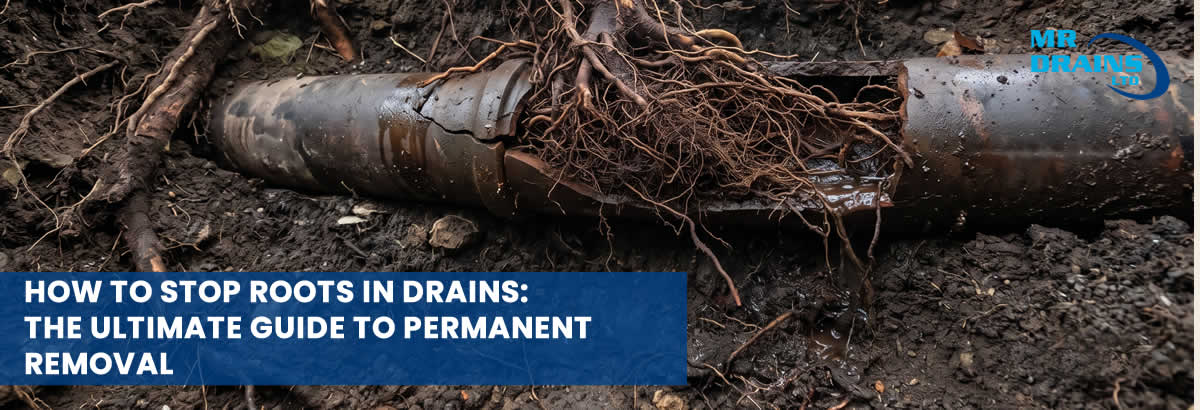
Tree roots are naturally drawn towards moisture, nutrients and small sources of water beneath the ground. Unfortunately, underground drainage pipes can provide exactly those conditions. Even a small crack or loose joint can allow roots to enter a pipe, where they can continue growing and gradually restrict the flow of wastewater. If you notice recurring blockages, slow drainage or unusual smells, roots could be part of the problem. Professional drain root removal can identify the cause and deal with the immediate obstruction before further repair work is considered.
Why Do Tree Roots Enter Drainage Pipes?
Healthy trees naturally extend their root systems through the surrounding soil in search of water. Drainage pipes normally provide a sealed route for wastewater, but older pipes can develop weaknesses over time. Small cracks, displaced joints or deteriorated sections may allow moisture to escape into the surrounding soil. Roots can detect this moisture and grow towards it. Once a root enters through a small opening, it can gradually expand inside the pipe. The problem can become progressively worse because additional roots may develop around the original entry point. What starts as a small intrusion can eventually form a dense mass that restricts wastewater flow.
Signs You May Have Root Intrusion in Drains
Root-related drainage problems do not always appear suddenly. Some warning signs can develop gradually. Look out for:
- Repeated blockages despite previous cleaning
- Toilets or sinks draining more slowly than usual
- Gurgling sounds from drains
- Unpleasant drainage smells
- Water backing up during periods of heavy use
- Blockages returning shortly after clearance
- Problems affecting multiple fixtures
A recurring blockage is particularly worth investigating. If the same section of drainage continues to become obstructed, simply removing the visible blockage may not address the underlying cause.

Step 1: Inspect the Drain Before Removing the Roots
Before deciding how to treat a root intrusion, the drainage system should be assessed properly. A professional inspection can help establish where the roots have entered, how extensive the intrusion is and whether the pipe itself has suffered structural damage. This is important because roots may be a symptom of a damaged section rather than the only problem. Removing the roots without addressing a cracked or displaced pipe could allow the issue to return. A camera inspection can provide useful information about the internal condition of the pipe without requiring immediate excavation.
Step 2: Remove the Existing Root Growth
Once the affected section has been identified, the next stage is removal of roots from drains. The appropriate method depends on the size and density of the root growth, as well as the condition and material of the pipe. Professional drainage contractors may use specialist mechanical equipment or high-pressure water-based techniques to clear intrusive roots and restore the internal diameter of the pipe. The objective is to remove the obstruction while avoiding unnecessary damage to the existing drainage system. Simply breaking up part of a root mass may not be enough if substantial growth remains. A thorough clearance should leave the pipe as open as reasonably possible before further assessment.
Step 3: Check the Pipe for Structural Damage
Root removal should not necessarily be viewed as the final stage. Once the obstruction has been cleared, the affected pipe should be assessed again. This can reveal whether roots have entered through cracks, damaged joints, fractures or other defects. If the pipe is structurally sound, regular monitoring may be sufficient. However, if there is significant damage, repairing the affected section may help reduce the likelihood of repeated root intrusion. In some situations, trenchless repair methods may provide an alternative to extensive excavation, depending on the condition and layout of the drainage system.
Step 4: Consider Long-Term Repair
Permanent prevention depends on the reason the roots entered the pipe in the first place. If the drainage pipe remains damaged, roots may find the same moisture source again. This is why professional drainage services should consider both the immediate blockage and the condition of the surrounding drainage system. Where appropriate, repairing or relining a damaged pipe can help restore the integrity of the drainage route. The best solution will depend on factors such as pipe material, diameter, location, accessibility and the extent of damage.
Can Root Intrusion Be Prevented?
There is no single method that guarantees roots will never approach an underground drainage pipe. However, regular inspection and prompt repair of damaged pipes can reduce the opportunity for roots to enter. Property owners should also pay attention to trees growing close to drainage routes, particularly where an older drainage system is already showing signs of deterioration. If blockages repeatedly occur, waiting until the drain becomes completely blocked can make the situation more disruptive. Early investigation may help identify developing problems before wastewater starts backing up.
Why Professional Assessment Matters
Root intrusion can be more complicated than an ordinary household blockage. The visible obstruction may only be one part of a larger drainage problem. Professional assessment can establish whether the issue is caused by roots, damaged pipework, accumulated debris or a combination of factors. This allows the appropriate treatment to be selected instead of repeatedly clearing the same blockage. Most importantly, effective drain root removal should be followed by an assessment of why the roots entered the pipe.

Removing the immediate obstruction is useful, but addressing the underlying defect is what can make the solution more durable.
A Better Approach to Root-Damaged Drains
Tree roots do not need to cause permanent disruption to a property’s drainage system. With early detection, suitable root clearance and appropriate pipe repairs, many affected drainage systems can be restored without immediately resorting to major excavation. If recurring blockages suggest that roots may be involved, getting professional advice is usually more effective than repeatedly treating the symptoms. A structured inspection, removal of roots from drains, followed by suitable repair or maintenance, can help keep wastewater flowing and reduce the risk of the same problem returning. For homeowners and businesses dealing with persistent root-related drainage issues, professional drainage services can provide the inspection, clearance and repair expertise needed to tackle the problem at its source.