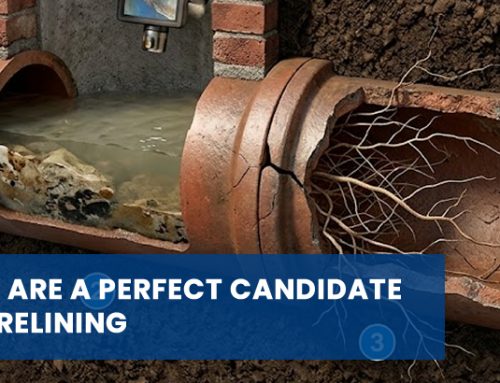

When an underground drain becomes cracked, damaged or affected by root intrusion, complete excavation and replacement may seem like the obvious solution. However, digging up a damaged pipe can be expensive and highly disruptive, particularly when it runs beneath a driveway, garden, patio or building. For suitable drainage systems, drain repairs in Sussex can sometimes be completed using trenchless techniques such as drain lining, avoiding the need to excavate large areas of a property.
Drain lining involves installing a new structural lining inside the existing damaged pipe. Once cured, the lining forms a new internal surface that can restore the integrity and function of the pipe. For many property owners in Sussex, this approach can provide significant practical and financial advantages.
What Is Drain Lining?
Drain lining is a trenchless method of rehabilitating damaged underground drainage pipes. Instead of removing the existing pipe, a specialist liner is introduced into the damaged section. The liner is positioned against the internal wall of the existing pipe and cured to create a hardened structure.
The result is effectively a new pipe inside the old one. The exact materials and installation process vary depending on the drainage system, but the principle remains the same: repair the existing pipe from within rather than excavating the entire route.
1. Less Excavation Can Mean Lower Overall Costs
Traditional drain replacement can involve substantial excavation. If the damaged pipe is buried beneath a lawn, the excavation itself may not be the biggest concern. The surrounding surface must also be reinstated afterwards. For a driveway, patio or landscaped garden, this can add considerably to the overall project. Drain lining can reduce the amount of excavation required because the existing pipe remains in place.
Instead of digging a long trench to expose the damaged section, access may be gained through existing inspection chambers or other suitable points. This can significantly reduce labour and reinstatement requirements.
2. It Protects Driveways, Patios and Gardens
The location of a damaged drain can have a major effect on repair costs. A pipe beneath an open lawn may be relatively accessible. A pipe beneath a block-paved driveway or landscaped garden is a different matter. Excavation may require sections of the surface to be removed before the drainage pipe can even be accessed.
Once the repair has been completed, the area then needs to be reinstated. With drain lining, much of this disruption can potentially be avoided. Because the lining is installed within the existing pipe, there may be little or no need to disturb the surrounding surface, depending on the drainage layout and access available.
3. Repairs Can Often Be Completed More Quickly
Traditional excavation can be a multi-stage process. The damaged pipe needs to be located, the ground excavated, the pipe removed or repaired, and the excavation then backfilled and reinstated. A trenchless lining project can simplify this process.
After the pipe has been inspected and prepared, the liner can be installed and cured within the existing drainage route. The precise duration depends on the pipe condition, length and installation method, but avoiding extensive excavation can reduce the amount of work involved. This can be particularly valuable for commercial properties in Sussex where prolonged disruption may affect normal operations.
Why Damaged Drains Should Not Be Ignored
A small crack or damaged joint may not initially appear serious. However, underground drainage defects can gradually become worse. Water can escape through cracks, while soil may enter the pipe. Tree roots can also exploit openings and grow into the drainage system.
The resulting debris and root growth can restrict wastewater flow. A problem that starts as an occasional blockage can eventually develop into repeated backups or a more significant structural failure. Early investigation can therefore help identify whether repair is necessary before the damage progresses.
Drain Lining Can Help Seal Cracks and Joints
One of the benefits of a properly installed liner is that it can create a continuous internal surface. This can seal certain cracks, gaps and defective joints within the rehabilitated section.
By separating wastewater from the surrounding ground, the lining can reduce the opportunity for soil and roots to enter through existing defects. This can also help reduce the risk of recurring blockages caused by material entering through damaged sections.
When Is Drain Lining Suitable?
Drain lining is not appropriate for every drainage problem. The existing pipe needs to be suitable for the installation process.
A severely collapsed pipe, inaccessible section or certain complex configurations may require excavation and conventional replacement. This is why a professional inspection should normally be carried out before deciding on the repair method. A CCTV drain survey can help determine:
- The location of the damage
- The extent of the defect
- The condition of the pipe
- Whether roots are present
- Whether the pipe remains structurally suitable for lining
The inspection allows the repair method to be based on evidence rather than assumptions.
Drain Lining Versus Complete Replacement

The most appropriate solution depends on the condition of the drainage system. Complete replacement may be necessary where a pipe has collapsed extensively or cannot be rehabilitated effectively.
Lining can be advantageous where the existing pipe remains suitable but has localised cracks, defective joints or other repairable problems. The cost comparison should therefore consider more than the price of the pipe itself. Excavation, labour, access, surface removal and reinstatement can all contribute to the total cost of conventional replacement.
A Long-Term Approach to Drainage Problems
Drain lining should not be viewed simply as a way to avoid excavation. When correctly specified and installed, a structural liner can provide a durable rehabilitation solution for suitable drainage systems. The objective is to restore the pipe’s function and address the underlying structural defect.
However, the surrounding drainage network should also be considered. If there are multiple damaged sections, poor gradients or other problems elsewhere, repairing only one section may not resolve all drainage issues.
Why Professional Assessment Matters
Choosing the right repair method requires an understanding of the existing drainage system. A professional drainage specialist can inspect the pipe, identify the cause of the damage and determine whether lining is technically appropriate. This can prevent homeowners from paying for an unsuitable repair.
In some cases, cleaning or localised repair may be sufficient. In others, lining may provide a practical alternative to excavation. Where extensive structural damage exists, conventional replacement may still be the best option.
Final Thoughts

Professional drain lining by MR Drains can offer property owners in Sussex an effective way to rehabilitate suitable damaged pipes without the disruption associated with extensive excavation. By reducing digging, protecting finished surfaces and potentially shortening the repair process, it can help control the overall cost of major drainage work.
However, lining is not automatically the right solution for every damaged pipe. A proper inspection is essential to establish the condition of the existing system and identify the most suitable repair method. If you are dealing with recurring drainage problems, professional drain lining in Sussex by MR Drains can provide a trenchless alternative to full excavation where the existing pipe is suitable for rehabilitation. Addressing structural problems early can also help prevent a relatively manageable defect from developing into a much more expensive drainage failure.