
DRAIN LINING USING NO DIG TRENCHLESS TECHNOLOGY
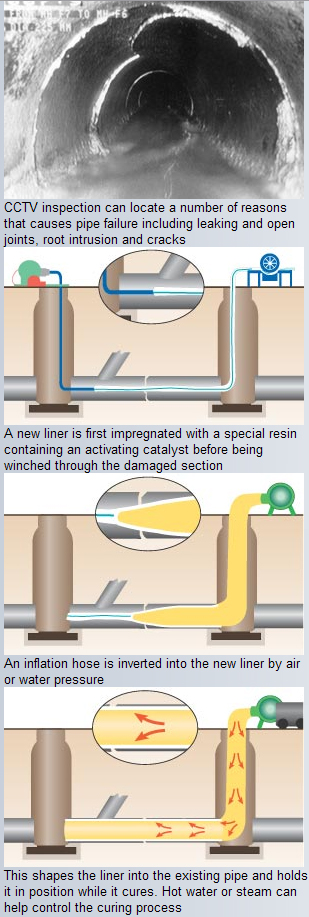
No-dig technology is a proven, established method for rehabilitating compromised infrastructure. Through professional drain relining, we place a brand-new, structurally independent pipe within your existing damaged pipe. The new material is similar to GRP (glass-reinforced plastic) and, in all cases, is superior in quality and strength to the original clay or concrete it replaces.
The Inversion Process for Drain Pipe Lining
The new pipe is molded into the damaged network using an ingenious method called inversion, which utilizes controlled water or air pressure to fit the sleeve tightly against the existing walls. When the inversion is complete, the originally flexible felt transforms into a rigid, impenetrable structure. This tight fit results in a minimal cross-sectional loss of only about 6%, which is easily compensated for by the vastly improved flow characteristics of the smooth new interior.
Specialized Resin Systems
A successful drain liner repair relies on the correct chemical application. We utilize three special resin systems—Polyester, Silicate, and Epoxy—tailored to specific site conditions, chemical exposures, and curing times. These activating catalysts are securely impregnated into the dense, impermeable felt, which is manufactured to fit the exact internal dimensions of your network.
Comprehensive Sewer Lining Capabilities
Our sewer pipe lining solutions are engineered for high-capacity networks, vertical rainwater downpipes, and municipal sewers ranging from 75mm to 300mm in diameter. The cured liner is highly resistant to aggressive ground chemicals and can withstand extreme temperature fluctuations.
Once the inversion sleeve is cured and the calibration hose is removed, a strong, abrasive-resistant pipe remains. If lateral connections are covered during the sewer pipe relining process, our engineers deploy a remote-controlled robotic cutter to cleanly reopen the junctions, ensuring full system functionality.
BENEFITS OF USING NO DIG TECHNOLOGY FOR DRAIN LINING REPAIR
Investing in a trenchless drain lining repair offers significant structural and financial advantages over traditional open-cut excavation:
Case Study 1: Drain Lining Beneath Heathrow Airport Bypass
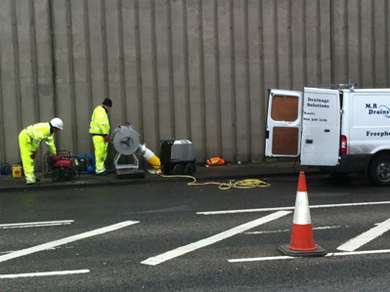
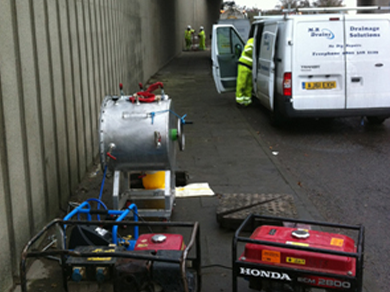
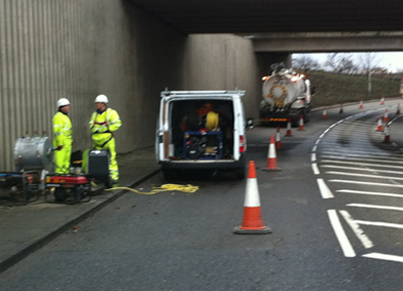
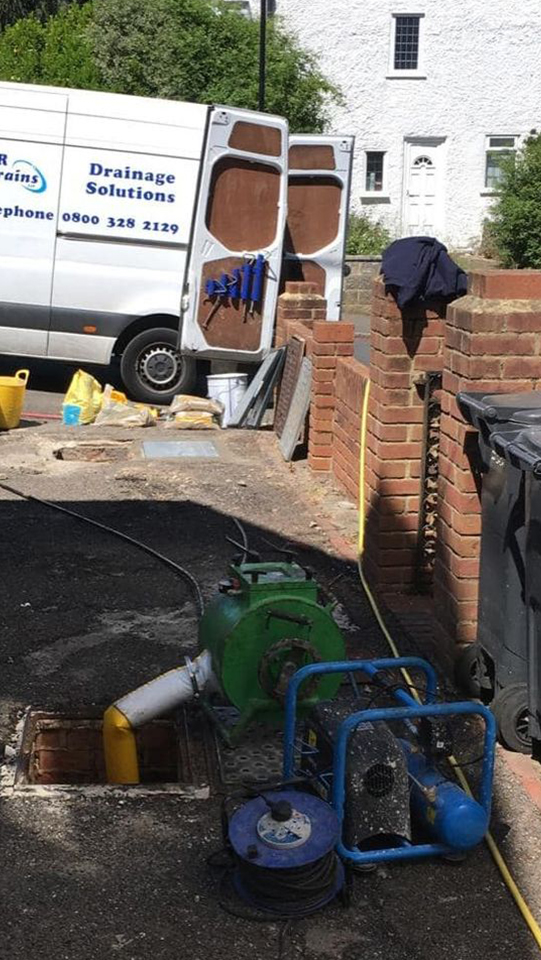
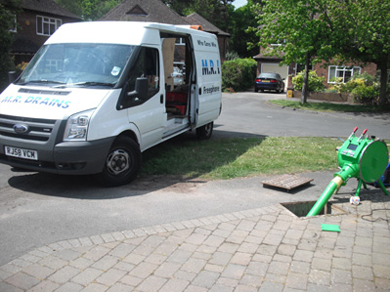
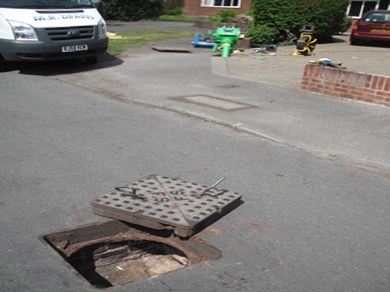
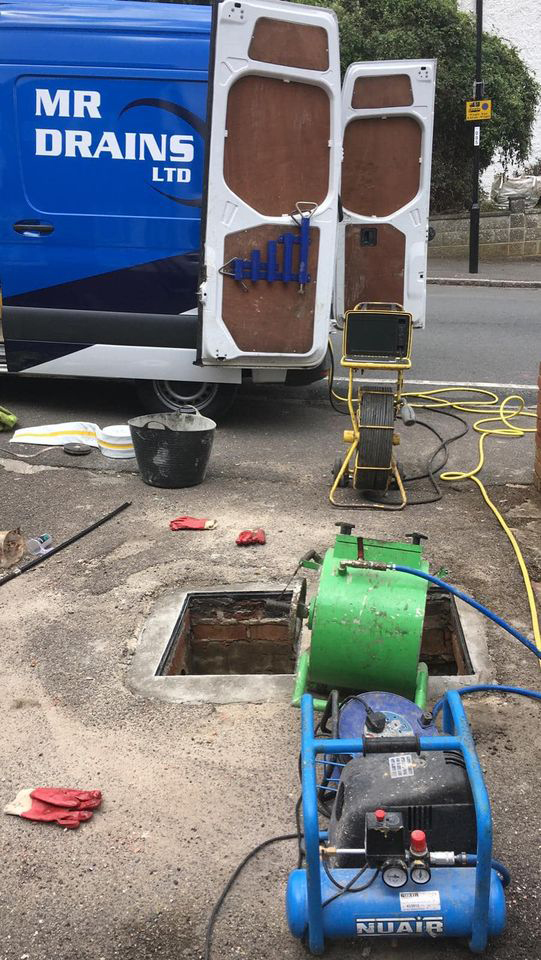
In this case we lined 75 metres of 225 mm (9 inch) fractured clay pipe, beneath a bypass at Heathrow Airport. Using our drain lining (no dig technology), we were able to fix the drain and avoid excavation and the inconvenience of lengthy closure to the airport’s busy perimeter road.
Case Study 2: Domestic Household Drain Lining
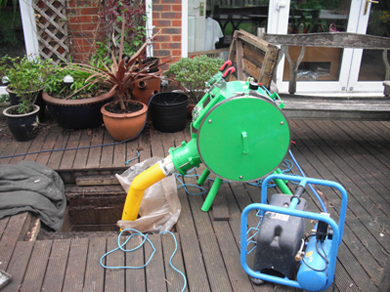
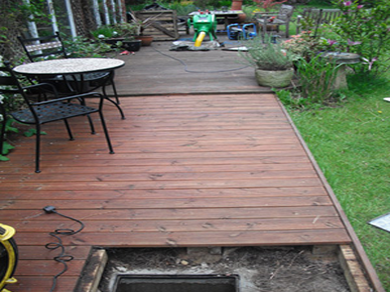
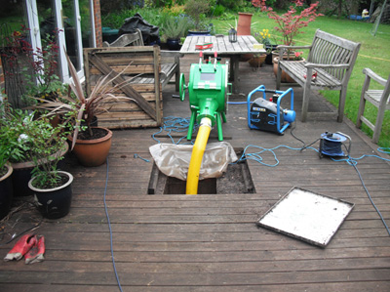
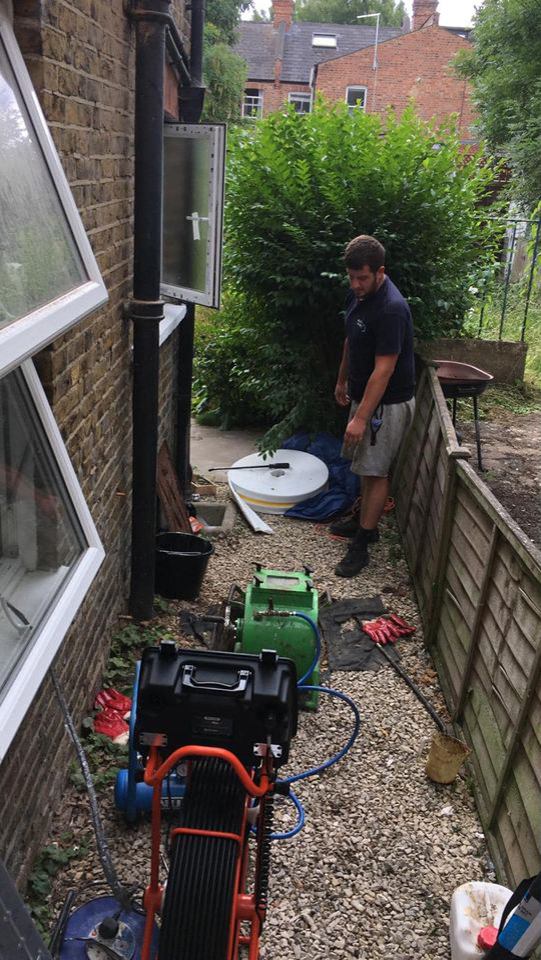
In this case, our customer had recently built an expensive decking, only to find afterwards that he had a broken sewer pipe beneath it.
Using drain lining technology we were able to repair the broken pipe without damaging his decking or excavating his garden, which would’ve been both disruptive and costly.
Case Study 3: Domestic Drain Lining to Main Sewer
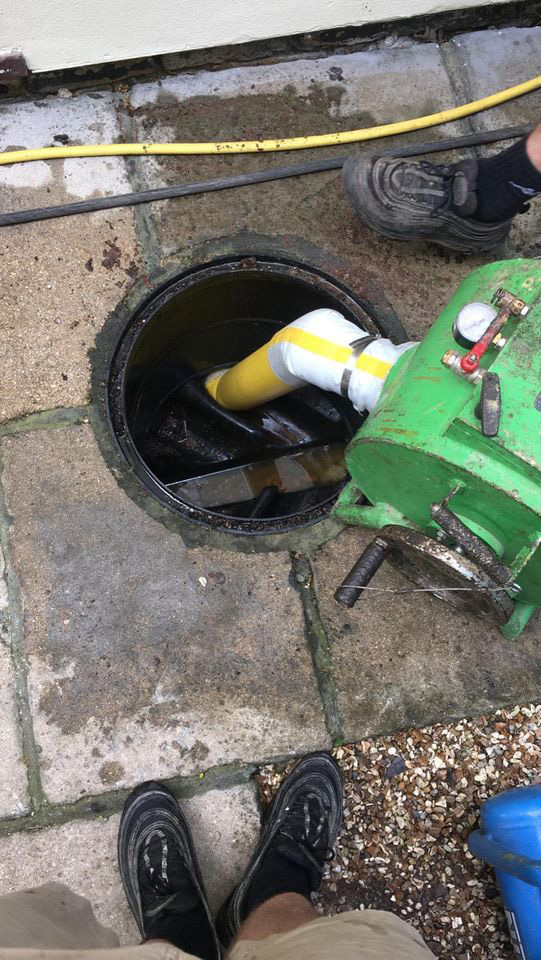
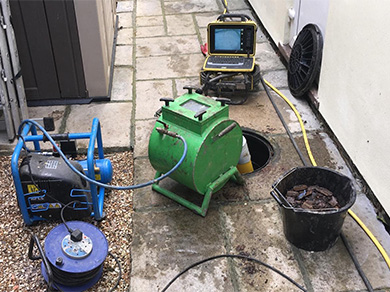
This case also involved a broken sewer pipe. This time going from a private house in a cul-de-sac to a drain in the main road.
We were able to line the drain to repair it without having to dig up the customers driveway or the pavement and road. Again this saved not only money, but also considerably less disruption to our customer and his neighbours.

FAQs
Q1. What exactly is drain lining?
Drain lining (or drain relining) is a trenchless, “no-dig” technology used to repair damaged pipes. A flexible, resin-coated sleeve is inserted into the damaged pipe and inflated. Once the resin cures and hardens, it creates a new, structurally sound pipe within the old one.
Q2. How long does a sewer pipe lining repair last?
A professional sewer pipe lining repair is designed as a permanent structural fix. The high-quality resins and felt materials used are highly durable, resistant to ground chemicals and root intrusion, and regularly outlast traditional clay or concrete infrastructure.
Q3. Is sewer pipe relining suitable for all types of damage?
No-dig technology is excellent for curing leaking joints, root intrusion, cracks, and general pipe degradation. However, if a pipe has completely collapsed or lost its structural shape, traditional excavation may be required. We use CCTV surveys to determine the best approach.
Q4. Is a drain pipe lining repair more cost-effective than digging?
Yes. Because it completely eliminates the need to dig up driveways, landscaped gardens, or municipal roads, a drain pipe lining repair can offer up to 75% savings compared to the heavy labor, heavy machinery, and surface reinstatement costs associated with traditional trench excavation.
Q5. Will drainage lining reduce the water flow in my pipes?
While the new liner does result in a minimal cross-sectional loss (approximately 6%), the smooth interior of the new GRP-like material actually improves the flow characteristics of the pipe, easily compensating for the slight reduction in diameter.